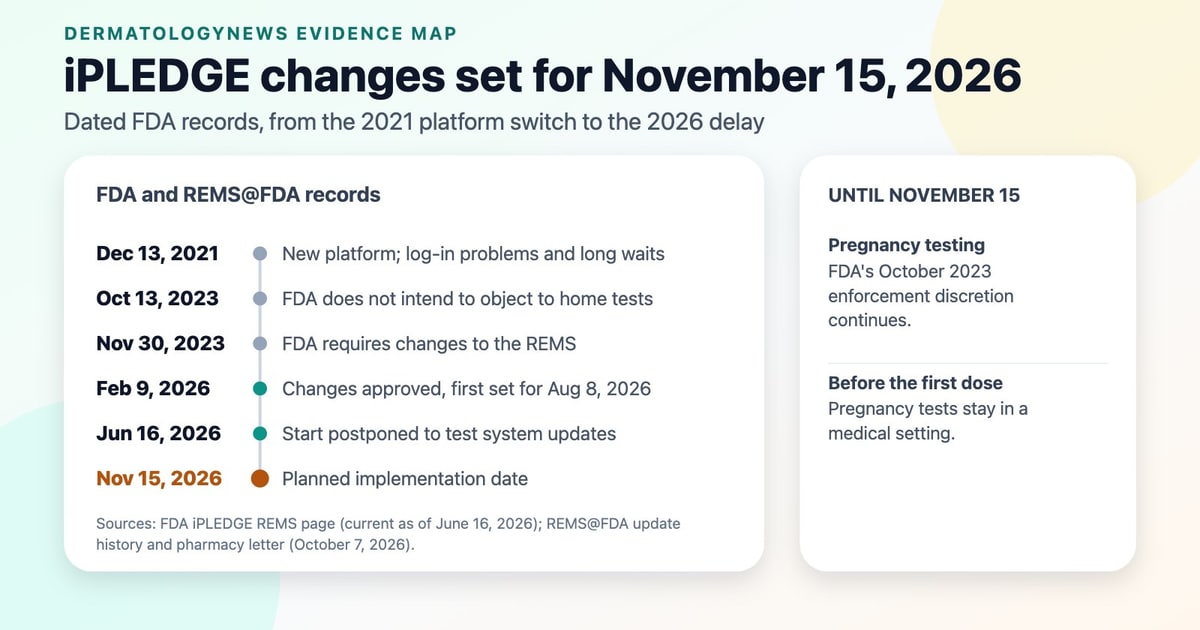
iPLEDGE changes on November 15, 2026: what changes for isotretinoin patients and prescribers
From November 15, 2026, iPLEDGE lets prescribers allow home pregnancy tests after the first dose and ends the 19-day lockout. What changes and what stays.
Consultation prep, recovery expectations, and informed-consent topics for patients.
From November 15, 2026, iPLEDGE lets prescribers allow home pregnancy tests after the first dose and ends the 19-day lockout. What changes and what stays.
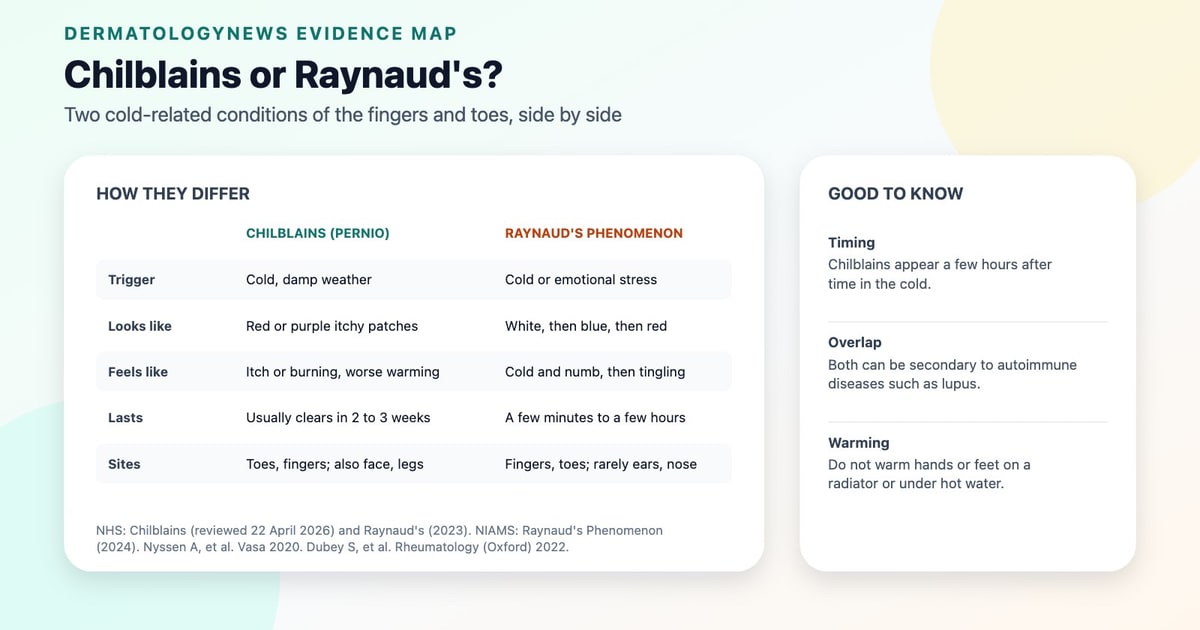
Itchy red or purple patches on toes and fingers after cold, damp weather: how chilblains differ from Raynaud's, when to get checked and what trials show.
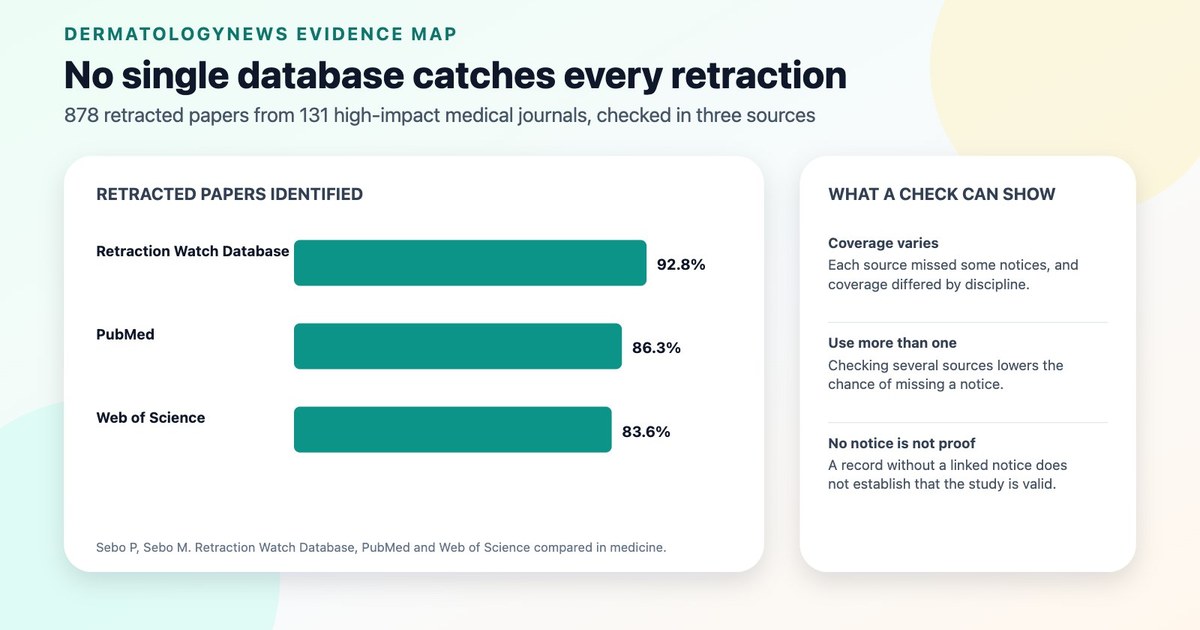
Learn how to check a dermatology paper in PubMed for corrections, expressions of concern and retractions, and how to read each notice accurately.

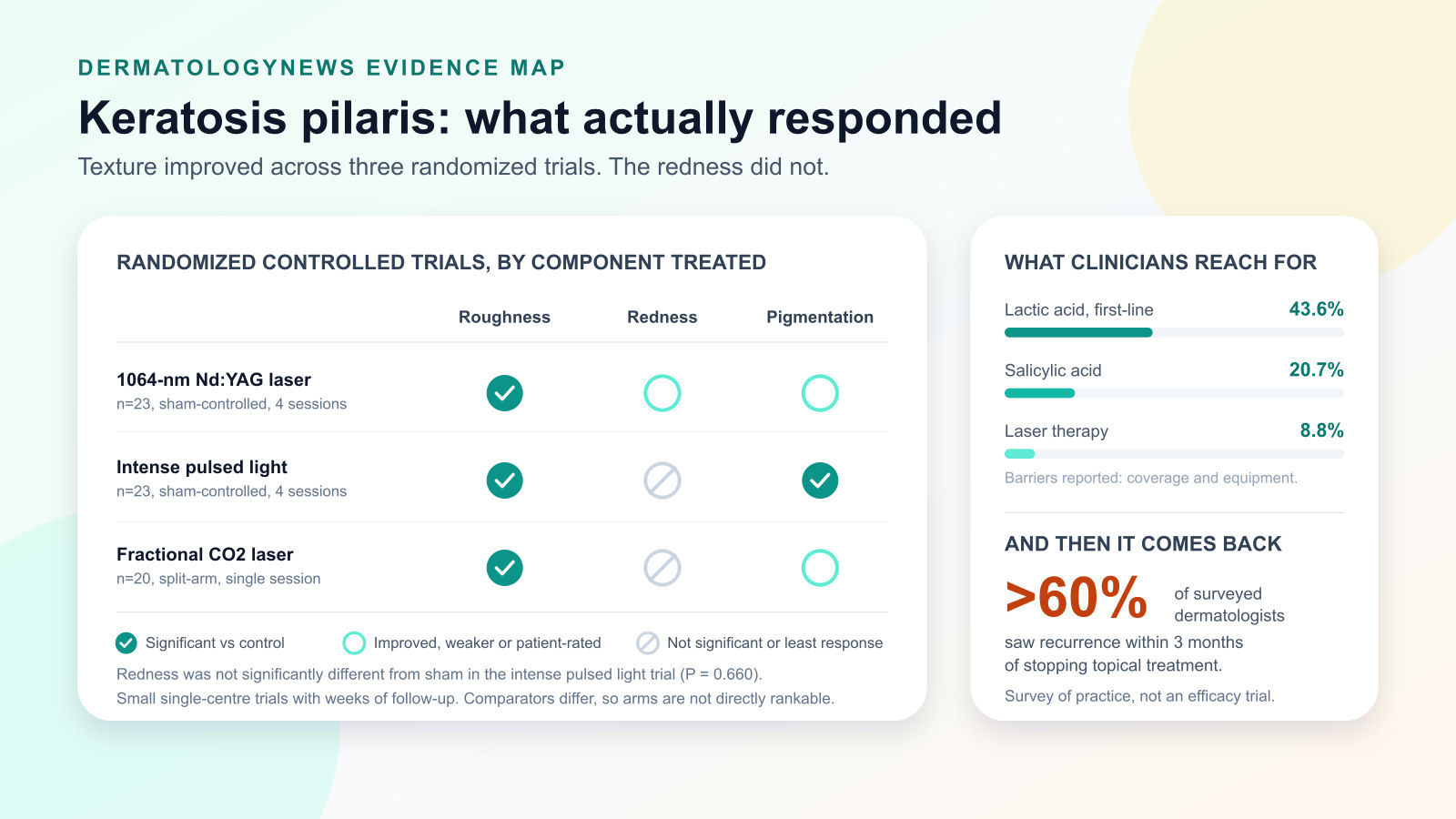
The rough bumps on upper arms and thighs are common and harmless. What trials show about keratolytics, lasers, and intense pulsed light, and why recurrence is the expected outcome.

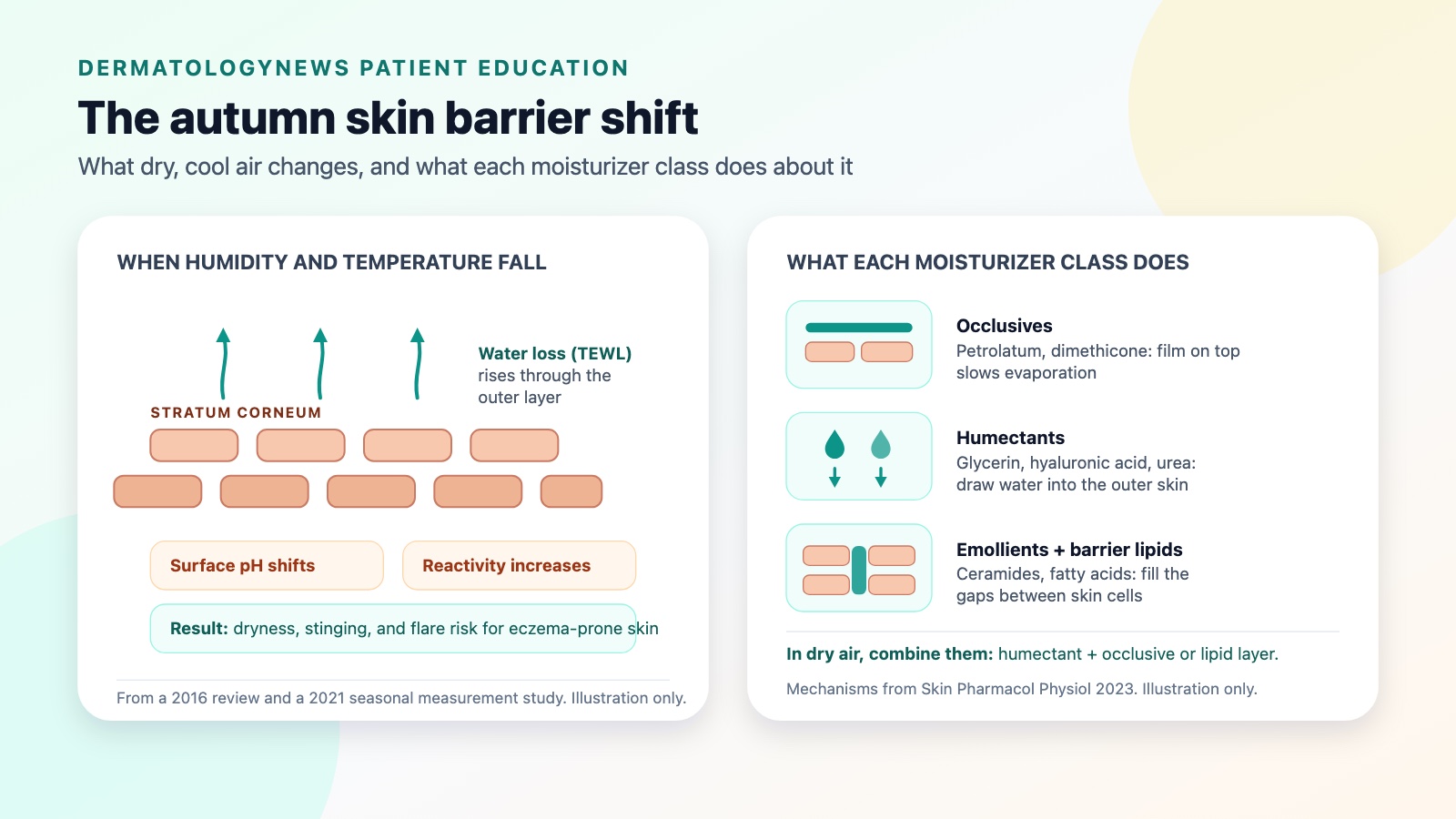
Falling humidity and temperature measurably weaken the skin barrier. What changes in autumn, what moisturizers do, and when dryness needs a doctor.

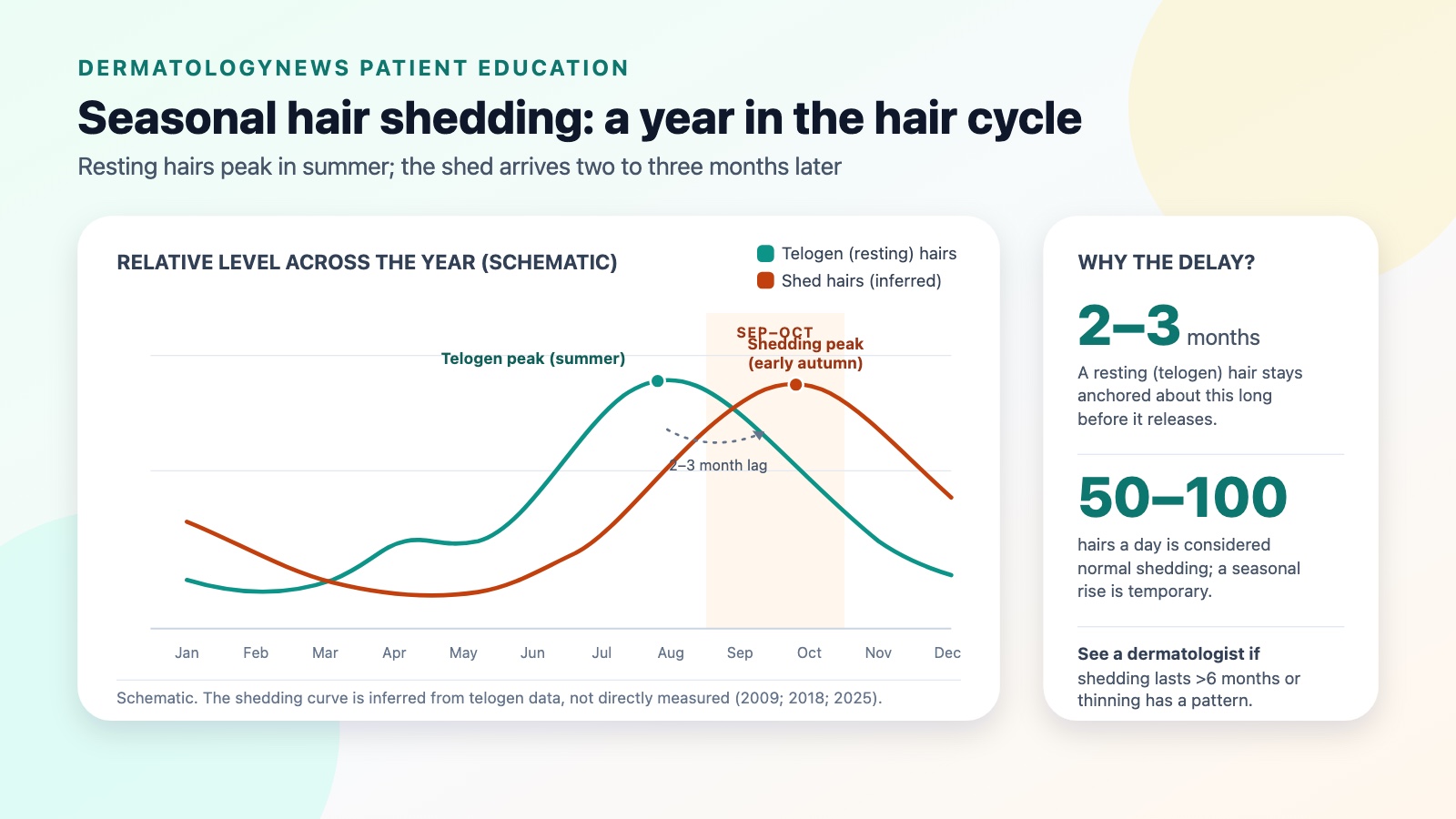
Hair shedding follows an annual rhythm that peaks in early autumn. What trichogram and search data show, how much is normal, and when to seek care.

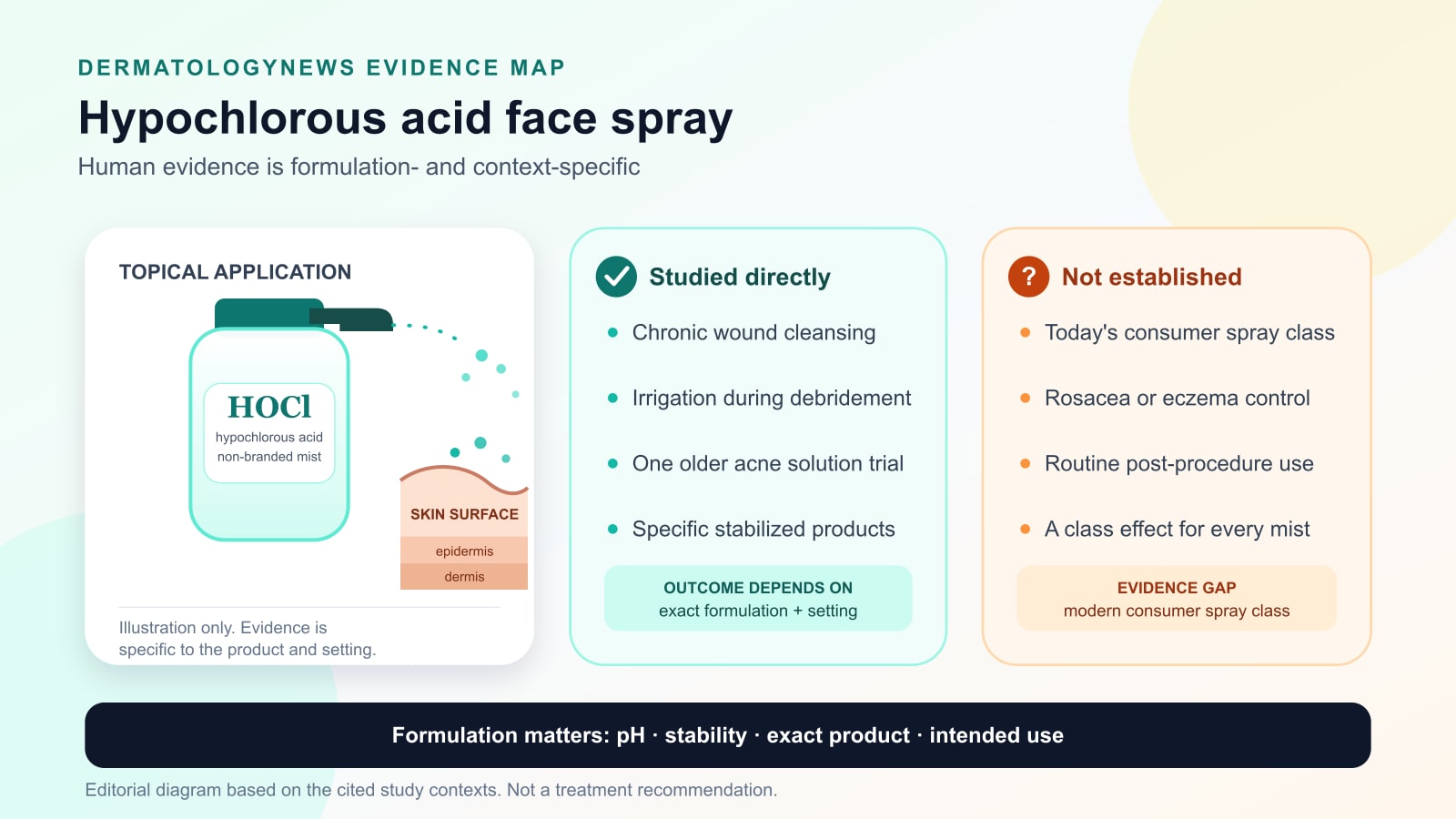
Hypochlorous acid face spray is popular, but human evidence mainly comes from wound care. See what HOCl may do, what remains unproven, and safety limits.

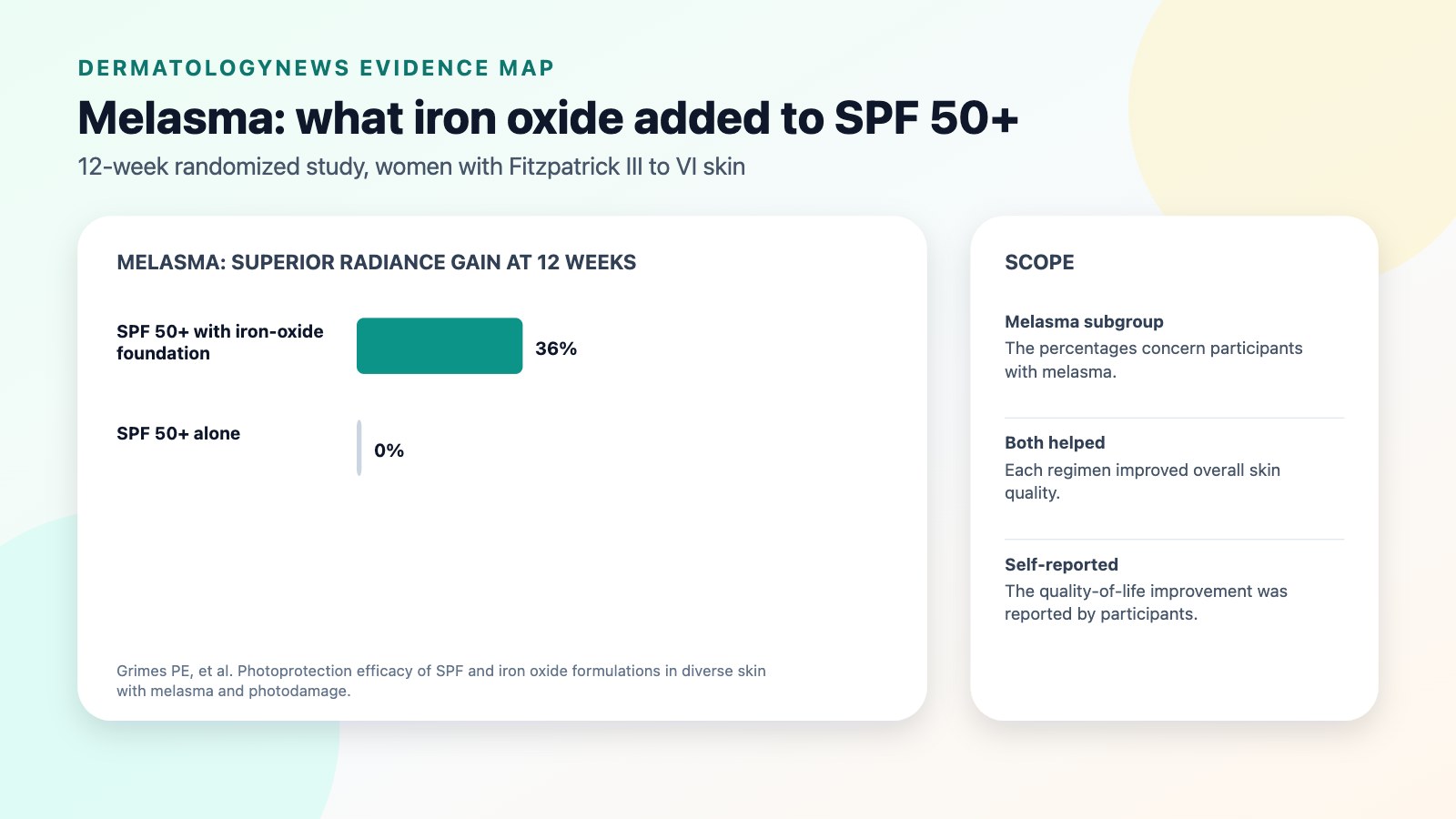
Why visible light, not just UV, drives melasma and post-inflammatory pigmentation, and what tinted iron oxide sunscreens add to a summer skin care routine in 2026.
What patients should ask and clinicians should disclose before MFU-V, radiofrequency or combination skin tightening: a checklist and red flags.